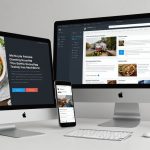
Creating stunning mockups no longer demands extensive design skills or hours of work. Modern tools streamline the process, allowing anyone to produce professional-quality visuals quickly. By leveraging intuitive interfaces and smart templates, you can focus on creativity instead of technical hurdles. This approach not only saves time but also empowers non-designers to present ideas with confidence and clarity. Explore how efficient mockup design transforms your workflow and enhances your projects effortlessly.
Fast and Easy Mockup Design Solutions
Creating mockups swiftly and efficiently is essential for designers and marketers aiming to visualize concepts without delay. Leading mockup design tools emphasize quick mockup creation by offering intuitive interfaces that drastically reduce the learning curve. When you use easy mockup software, you can assemble professional-quality visuals in mere minutes, even with limited design experience.
Also to see : How to optimize UK-based travel websites for voice search?
The key to speed lies in platforms designed with usability in mind. These tools often provide drag-and-drop functionality, pre-made templates, and customizable elements that empower users to construct compelling mockups rapidly. This approach allows non-designers to focus on creative choices instead of wrestling with complicated software, transforming the mockup process from a challenge into an accessible task.
An intuitive design process not only accelerates workflow but also improves output quality. When the software anticipates user needs—such as auto-aligning components or simplifying color adjustments—it minimizes errors and revisions. This makes mockup design tools indispensable for teams needing to iterate designs quickly and present clear visual proposals to clients or stakeholders.
In parallel : What are the key considerations for implementing a mobile-first design for UK’s educational websites?
In practice, using an easy mockup software lets you prioritize ideas without compromising on presentation quality. Whether for product packaging, website layouts, or advertising concepts, these tools help you bring ideas to life faster and with greater confidence, making them essential in today’s fast-paced creative environments. For a hands-on experience, try building a beautiful mockup with a mockup tool that combines speed and simplicity in one streamlined platform.
Essential Features of Top Online Mockup Tools
Exploring the capabilities that make these tools indispensable
Online mockup tools are designed to streamline the creative process with time-saving features that cater to both beginners and professionals. One of the most crucial elements is the availability of pre-made templates. These templates enable users to jump-start their design projects without beginning from scratch, drastically cutting down the time required to produce high-quality visuals.
The intuitive interface plays a pivotal role in enhancing user experience. Tools that employ drag-and-drop functionality allow seamless placement and adjustment of design elements, making complex edits straightforward and efficient. This ease of use supports a faster workflow, enabling creators to focus more on content rather than technicalities.
Another essential feature is the real-time preview capability, which lets users instantly see changes as they modify their mockup. This immediate feedback loop optimizes decision-making and ensures the design aligns with expectations before finalizing it.
Accessibility is equally important. Online mockup tools that are web-based offer the convenience of working from anywhere without the need for installation. This accessibility fosters collaboration and flexibility, critical in today’s dynamic work environments.
To explore design possibilities firsthand, try out a detailed mockup.
Step-by-Step Guide to Designing Mockups Effortlessly
Master the art of quick and effective mockup creation
When you want to create mockups quickly, the first step is selecting the right tool for your needs. Choose software or web applications that offer intuitive interfaces and built-in features tailored to mockup creation. The best tools provide a balance between usability and customization, allowing you to jumpstart your mockup design tutorial without getting bogged down in technicalities.
Utilizing templates is a powerful way to speed up your process. Many platforms come with pre-designed templates that can be easily customized to fit your project requirements. With these templates, you can swiftly adapt colors, text, and images to match your brand, ensuring professional-quality results in a fraction of the time.
Once your mockup design is ready, exporting and sharing become essential steps. The ability to seamlessly export your work into popular file formats like PNG, JPEG, or PDF ensures easy sharing with clients or team members. Additionally, some tools enable direct sharing through links or integration with collaboration platforms, smoothing the approval and feedback process.
By following this step-by-step guide, you can efficiently streamline your workflow, from tool selection through template customization to exporting final mockups. The key is to leverage available resources wisely, helping you master mockup design while saving time and effort. For a practical look at how these principles work together, a detailed mockup example is worth exploring.
Visual Examples: What You Can Achieve in Minutes
Step into the world of design inspiration
Creating stunning mockup examples is now faster than ever. With the right tools, transforming a simple idea into a polished visual presentation can take mere minutes. Imagine starting with a basic image and enhancing it to professional standards swiftly, capturing the interest of any audience.
Take a before and after approach to truly appreciate the difference. A basic mockup example might be just a plain product photo, while the enhanced version includes realistic shadows, reflections, and precise positioning on a clean background. This transformation demonstrates the power of subtle design tweaks in raising the overall appeal.
For designers seeking to make the most of their time, focusing on a few key areas maximizes visual impact:
- Use consistent lighting and perspective to unify the mockup examples.
- Incorporate complementary backgrounds to highlight the product without distraction.
- Adjust scale and composition for balance and emphasis.
By following these tips, you can easily convert basic visuals into compelling mockups that serve as excellent design inspiration for your projects. The speed and quality achievable make it ideal for quick presentations, client pitches, or online portfolios. Utilizing mockups smartly not only saves time but also elevates the perceived value of your work. For a hands-on experience, check out this mockup resource to see how effortless achieving these results can be.
Comparing the Best Free and Paid Mockup Tools
When choosing between free mockup tools and paid mockup platforms, understanding their advantages and limitations is essential. Free mockup tools provide an accessible starting point for users with basic needs. They often include a limited selection of templates and customization options, making them ideal for casual or occasional projects. However, these tools may restrict high-resolution exports, advanced editing features, or integration capabilities, which can be a significant drawback for professional use.
In contrast, paid mockup platforms deliver extensive value-added features that cater to design professionals and businesses requiring greater flexibility and quality. These premium tools usually offer a wide range of customizable templates, superior image resolutions, collaborative functions, and enhanced export options. Furthermore, many paid software comparison studies highlight that subscription-based platforms often include regular updates and dedicated customer support, which free services lack.
Choosing between free and paid mockup tools largely depends on your project’s complexity and budget. For simple tasks or users new to mockup creation, free mockup tools might be sufficient. However, for users who demand high-quality designs, professional features, or team collaboration, investing in a paid mockup platform is advisable. Understanding these differences will help you select the right software based on your specific needs without overspending on unnecessary features.
For example, if your goal is to quickly produce appealing content without spending time on detailed customization, free mockup tools offer a practical solution. Conversely, if you require detailed control over design elements or need assets for large-scale marketing campaigns, a paid mockup platform will prove more effective and efficient.
Explore your options methodically to make an informed choice that matches your creative ambitions and financial constraints. To begin experimenting and see the potential of mockup designs first-hand, consider a quick mockup.
Expert Tips for Professional-Looking Mockups
Elevate your designs with practical advice
To achieve professional results in your mockup design tips, focus first on customizing templates to align with your brand identity. Tailoring colors, fonts, and imagery ensures that the mockup represents your unique style rather than looking generic. Experiment with subtle adjustments such as changing backgrounds or adding shadows—these small design shortcuts can significantly boost the visual appeal.
Quick fixes are invaluable when time is tight. For example, maintaining consistent alignment across elements avoids clutter while enhancing clarity. Using high-resolution images prevents pixelation, ensuring your mockup looks sharp and polished. Furthermore, pay attention to lighting and reflections; these details add realism and captivate viewers instantly.
It’s essential to avoid common mockup design mistakes like overcrowding the layout or using too many font styles. Keep simplicity in mind to maintain focus on the product or message. Overcomplicating designs diminishes impact and can confuse the audience. Instead, choose a clean, balanced composition that highlights key features cleanly and professionally. By implementing these tips, your mockups will not only look impressive but convey confidence and quality in every presentation.